

Why Body Contouring Appeals to New Mothers
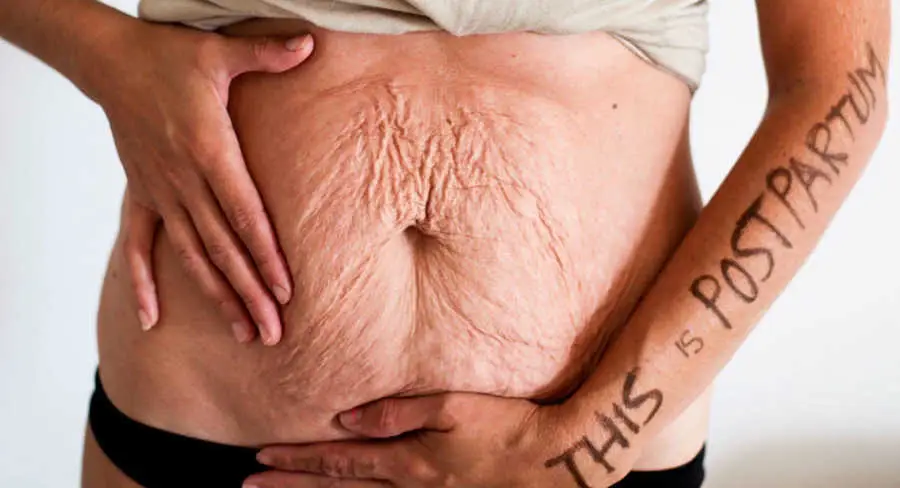
Pregnancy and childbirth bring profound joy — but they also often bring physical changes: stretched skin, altered body shape, stubborn fat deposits, and changes in muscle tone. For many new mothers, postpartum body contouring becomes an attractive way to help their body gradually return to a form closer to their pre-pregnancy shape.
Body contouring isn’t about achieving perfection. Instead, it’s a way to support the body’s transition, restore confidence, and complement healthy lifestyle changes. Done properly and safely, these procedures — surgical or non-surgical — can aid in reshaping areas like the abdomen, thighs, waist, and arms, helping many women feel more like themselves again.
Understanding Postpartum Body Changes
Before diving into contouring options, it helps to know what the body typically goes through after pregnancy — and why some areas are more resistant to natural recovery.
- Skin stretching and laxity: During pregnancy, the skin, especially on the abdomen, stretches significantly. After childbirth, skin elasticity may be reduced, leading to sagging or loose skin — particularly if stretching was severe or repeated.
- Stretched abdominal muscles: The abdominal muscles often separate (a condition called diastasis recti), making the belly appear softer or protruded even after weight loss.
- Localized fat deposits: Hormonal shifts and weight gain may lead to fat accumulation in the abdomen, thighs, hips, or arms — sometimes stubborn to diet and exercise.
- Stretch marks and skin texture changes: Rapid expansion and contraction of skin can leave stretch marks or uneven skin texture, affecting appearance and skin firmness.
- Overall body shape shift: Pregnancy and breastfeeding can alter body proportions, muscle tone, and posture.
Because of these complex changes — involving skin, muscle, fat, and tissue elasticity — many women find that even with diet and exercise, they don’t fully return to their pre-pregnancy body shape. That’s where body contouring can help.
Main Post-Pregnancy Body Contouring Options
Here are the most common procedures and treatments new mothers consider when reshaping their bodies postpartum. Each has unique benefits, limitations, and ideal timing.
1. Non-Surgical Skin Tightening (Radiofrequency / Ultrasound)
What is it: These treatments use energy-based devices (radiofrequency or focused ultrasound) to gently heat deeper skin layers, stimulating collagen production and encouraging skin tightening over weeks or months.
What it helps with:
- Mild to moderate skin laxity (e.g., loose skin on abdomen or thighs)
- Improving skin elasticity and firmness without surgery
- Non-invasive contouring — no incisions, minimal downtime
When to consider it: Typically safe once the postpartum healing is complete, and skin sensitivity returns to normal — often 3–6 months after delivery (or after breastfeeding, if skin changes).
What to expect: Subtle, gradual tightening over several sessions; best for mild sagging rather than heavy skin folds.
2. Non-Invasive Fat Reduction (Coolsculpting / Cryolipolysis / Low-Energy Lasers)
What is it: Non-surgical fat reduction techniques ― such as cryolipolysis (freezing fat cells) or low-energy laser therapies ― target stubborn fat pockets that resist diet and exercise.
What it helps with:
- Localized fat bulges (e.g. lower abdomen, flanks, thighs)
- Improving body contours without incisions
- Minimal recovery — often called “lunchtime” procedures
When to consider it: After weight has stabilized and you’re not actively losing a lot of post-pregnancy weight — often 4–9 months postpartum.
What to expect: Gradual fat reduction over weeks to months, with results improving over time. Best for women with small-to-moderate fat deposits, not for major weight loss.
3. Minimally Invasive Skin Resurfacing & Stretch-Mark Treatments (Microneedling, Fractional Laser)
What is it: Treatments like microneedling or fractional laser therapy stimulate skin remodeling by creating controlled micro-injuries, which trigger collagen and elastin formation.
What it helps with:
- Reducing appearance of stretch marks or acne scars
- Improving skin texture and tone
- Enhancing elasticity — which can complement tightening and contouring
When to consider it: Once skin has healed sufficiently after childbirth and any hormonal-irritation is settled — sometimes 6–12 months postpartum, depending on skin sensitivity and medical advice.
What to expect: Gradual improvement over multiple sessions. While these cannot erase stretch marks completely, they can significantly improve appearance and skin smoothness.
4. Surgical Options: Tummy Tuck (Abdominoplasty), Mini-Tuck, or Body Lift
What is it: Surgical body contouring involves excision of excess skin (and sometimes fat), repairing of distended muscles (e.g., diastasis recti), and repositioning to restore firmer, flatter body contours.
What it helps with:
- Significant skin sagging and muscle separation
- Large or stubborn fat deposits plus loose skin
- Restoring a firmer abdominal wall and slimmer silhouette
When to consider it: Only after the body is fully healed, weight stabilized, and breastfeeding is complete — often 9–12 months or more postpartum. Timing matters because weight fluctuations, hormonal changes, or future pregnancies can affect results.
What to expect: Recovery time, possible scarring (though strategically placed), and a period of reduced physical activity. Results tend to be dramatic and long-lasting when followed by a healthy lifestyle.
5. Body Contouring Packages — Combined Approaches
Many clinics offer combination packages: for example, non-surgical skin tightening + fat reduction + skin resurfacing. This multi-modality approach can provide balanced improvements — tightening skin, reducing fat, and improving texture — without the need for major surgery.
Ideal for: Women who want moderate contouring with minimal downtime, or those looking to improve multiple issues (fat, skin laxity, stretch marks) simultaneously.
Deciding What’s Right — Factors to Consider
Selecting a suitable contouring option depends on multiple factors. Before committing, evaluate the following:
- Body goals and realism: Are you seeking modest tightening, moderate reshaping, or dramatic transformation? Non-surgical treatments help with mild to moderate issues; surgical options are for more significant changes.
- Time since delivery and physical readiness: Healing, hormonal changes, breastfeeding status, and weight stability all influence when it’s safe to proceed.
- Skin quality, elasticity & health history: Age, genetics, pregnancy history, skin type, and any complications (e.g., stretch mark severity, muscle separation) affect outcomes.
- Comfort with downtime, maintenance, and recovery: Non-surgical treatments usually require little downtime; surgical procedures demand weeks of rest and careful after-care.
- Long-term lifestyle commitment: Contouring results last longest when supported by healthy diet, regular exercise, and skin care.
- Emotional readiness and expectations: Postpartum body image is deeply personal; contouring should be part of a holistic self-care approach, not a pressure to “bounce back” quickly.
What to Expect: Recovery, Results & Maintenance
Here’s a general idea of what you might expect depending on the chosen method:
| Treatment Type | Recovery Time & After-care | Typical Results & Maintenance |
| Non-surgical skin tightening | Minimal — perhaps mild redness or tenderness for hours to a day; gentle skincare & hydration advised | Gradual firmer skin over weeks/months; periodic maintenance sessions may enhance longevity |
| Non-invasive fat reduction | Usually none — return to normal activities same day | Fat reduction over weeks to months; follow-up sessions may improve results; maintain healthy lifestyle |
| Microneedling / skin resurfacing | Mild redness, possible peeling or flaking for a few days; avoid sun & strong products during healing | Improved skin texture & stretch mark appearance over multiple sessions; ongoing skin care needed |
| Surgical body contouring | Several weeks downtime; limited physical activity, proper wound care, possible compression garment | Dramatic reshaping; long-lasting if weight is stable and lifestyle healthy; results remain until major life changes (e.g. future pregnancy) |
| Combination packages | Varies by treatments included; may require multiple visits with some recovery | Balanced improvements in contour, skin, and texture; maintenance or follow-up sessions may be scheduled |
Important: Regardless of the method, healthy nutrition, adequate hydration, gentle exercise (when approved), and skin care play a critical role in outcomes. Contouring is only part of the journey — supporting your body holistically maximizes results and promotes long-lived wellness.
Choosing a Reliable Clinic: What New Moms Should Ask
When selecting a provider for post-pregnancy body contouring, consider these key questions:
- Is the clinic staffed by certified professionals (dermatologists, plastic surgeons, qualified technicians)?
- Do they offer personalized evaluation and customized treatment plans based on individual postpartum needs?
- Are pre-treatment health assessments and advice on safe timing provided — especially considering recent childbirth and potential breastfeeding?
- Is after-care and follow-up support offered, including guidance on recovery, skin care, and maintenance?
- Are realistic expectations clearly communicated (what results to expect, what’s maintenance, what’s realistic given postpartum changes)?
A clinic that answers these positively — and treats post-pregnancy bodies with patience, care, and realism — is likely one you’ll trust for safe, responsible body contouring.
The Mindset: Why Body Contouring Should Complement — Not Replace — Self-Care
It’s important for new moms to approach body contouring not as a “quick fix,” but as part of a broader journey of wellness, self-care, and self-compassion. Here are some guiding principles:
- Understand and respect your body’s journey: Pregnancy and childbirth are transformative. Contouring can help restore confidence — but expecting perfection may lead to frustration. Think of it as supportive, not corrective.
- Balance cosmetic care with health and lifestyle: Nutrition, rest, gentle exercise, skin hydration, and mental wellness are key for lasting results. Contouring works best when your lifestyle supports it.
- Give yourself time and grace: Healing and hormonal rebalancing take months. Trying for dramatic changes too fast may lead to disappointment or complications.
- Focus on wellbeing, not just appearance: Confidence and comfort in your body come from how you feel — not just how you look. Body contouring may enhance appearance, but self-acceptance and self-love matter more.
Post-Pregnancy Contouring as Supportive Self-Care
For many new mothers, post-pregnancy body contouring offers a way to gently reclaim their pre-pregnancy silhouette, boost body confidence, and support their ongoing wellness journey. Whether you choose non-invasive skin tightening, fat reduction, skin-resurfacing, or surgical contouring, the key is to approach it thoughtfully: respecting healing timelines, setting realistic expectations, and combining treatments with healthy lifestyle habits.
When done responsibly, body contouring becomes more than a cosmetic tweak — it can be a compassionate act of self-care, helping you feel strong, confident, and comfortable in your body during this new phase of life.
